Columbia has a way of testing windshields. The sun bakes seals all summer, sudden downpours spit grit from the roadway, and one construction detour can send gravel pinging across your glass like hail. If you drive here long enough, the question isn’t whether you’ll need auto glass work, but when. I’ve spent years around repair bays in Richland and Lexington counties, and I’ve watched plenty of folks spend more than they needed or wait longer than they should. This is the guide I wish every driver in the Midlands had on the seat beside them.
Crack, chip, or spiderweb: what you’re really looking at
Not every blemish on your windshield demands the same response. The difference matters, because catching damage early can turn a few minutes of same-day windshield repair in Columbia into an expensive replacement if you wait too long.
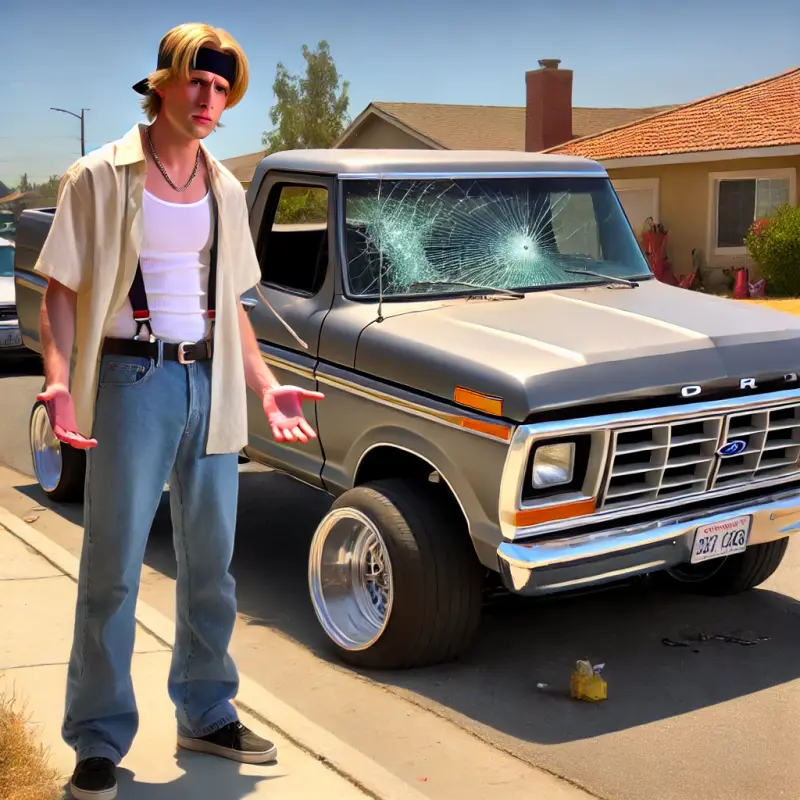
A chip is the small half-moon or star where a pebble struck and took out a tiny divot. Chips can often be filled if they’re smaller than a quarter and not too deep. A crack is a line, sometimes faint, sometimes brazen, that runs along the surface. Short cracks, say under three inches, are sometimes repairable if they sit away from the edges. Once a crack touches the edge or runs across the driver’s line of sight, the calculus changes. Then there’s the spiderweb, the dramatic starburst after a serious impact. It looks bad because it is. You’re usually in windshield replacement territory.
The location matters as much as size. Damage in the driver’s primary viewing area isn’t just distracting. Repairs there can leave visual distortion known as a bloom, which may still cause glare or blur at night. Reputable techs will advise replacement if they can’t stand behind the clarity.
The clock starts ticking when the glass breaks
Heat, humidity, and road vibration in Columbia can turn a small chip into a foot-long crack after one hot parking lot and a sharp turn onto Gervais Street. That expansion force accelerates with extreme temperature swings. In summer, the cabin can hit 130 degrees, then a sudden rainstorm chills the surface. Glass hates that. If you spot damage, get it evaluated quickly. Most shops that handle auto glass repair in Columbia can give a quick thumbs-up or thumbs-down by photo. Send a well-lit shot with a coin for scale and a second photo from a slight angle to show depth.
I’ve watched a nickel-sized star turn into a creeping crack over a weekend trip to Lake Murray. The driver closed the door by grabbing the glass, and that vibration finished the job. If you must drive before a repair, avoid slamming doors, keep the AC moderate, and skip the dirt roads off Bluff Road.
Repair versus replacement: how to choose without second-guessing
There are three variables: safety, cost, and convenience. Safety wins, always. Your windshield is part of the vehicle’s structural system. During a collision, it helps the airbag deploy correctly and keeps the roof from collapsing. If damage compromises those roles, replacement isn’t optional.
Cost can surprise people. In Columbia, a straightforward repair usually runs in the 80 to 150 dollar range. A windshield replacement ranges wildly, from 275 dollars for a basic sedan with no sensors to 1,200 dollars or more for a late-model SUV with ADAS features like forward collision alert and lane departure cameras. Those systems live in or near the glass and require calibration after a swap. If your car has a camera behind the rearview mirror, expect calibration to be part of the estimate.
Convenience favors repairs. A proper resin injection takes 20 to 40 minutes, then the resin cures quickly under UV. You’re back on the road right after. Replacement needs more time. Figure an hour to install and set the urethane, then a safe drive-away time that can range from 30 minutes to a few hours depending on adhesive chemistry and weather. Shops will give a window, and their caution is warranted. The last thing you want is a windshield that hasn’t fully bonded before a highway run.
There are gray areas. A cracked corner far from your primary view might be technically repairable but still risky if it runs to the edge. Edges are stress concentrators. That’s where the glass is most likely to start or extend a crack. When the tech recommends replacement there, they aren’t upselling. They’re trying to avoid a call-back after the repair fails.
Insurance, deductibles, and the South Carolina angle
South Carolina’s insurance setup helps more than many drivers realize. If you carry comprehensive coverage, many policies in the state waive the deductible for windshield repair. Some even waive it for replacement, but that depends on your carrier and the policy you chose. Plenty of Columbia drivers don’t know this and pay out of pocket for something their insurer would cover.
Two tips from the trenches. First, call your insurance yourself before scheduling if you plan to file a claim. They’ll explain whether you’re covered for repair, replacement, or both, and whether they work with a preferred network. You still have the right to choose your shop. Second, ask the shop whether they’ll handle the claim paperwork. The better ones do, and they make the process painless. I’ve seen shops in Five Points submit photos, VIN, and ADAS info to the carrier while the technician is already setting up the resin.
If your deductible is high, say 500 dollars, and your car needs a 300 dollar repair, paying cash may be cheaper. For replacement with calibration, the claim often makes sense. One caveat: if you’re close to renewal and worried about comprehensive claim history, ask your agent whether a glass claim affects your rate. In most cases, single glass claims don’t move the needle, but it’s worth hearing it from the source.
Mobile or in-shop: pick the right setting for the job
Mobile auto glass service in Columbia is a gift when you’re juggling work at the hospital or trying to keep pickup lines at your kid’s school from dictating your day. For simple repairs, mobile is ideal. A tech can meet you at a downtown garage, at Saluda Shoals parking, or in your driveway. They’ll need a relatively clean, dry environment. A covered deck or a calm day helps, because dust and moisture are the enemies of good adhesion.
For replacements, I like mobile when the weather is friendly and the vehicle is straightforward. If your windshield requires ADAS calibration, ask whether they perform static calibration in the shop or dynamic calibration on the road. Static needs a controlled space and targets set at precise distances. Dynamic uses a scan tool and a drive on specific lane-marked roads at a steady speed. Both are legitimate, but they require discipline. A rainy day on I-26 isn’t the best time to calibrate a front camera that controls adaptive cruise.
Some vehicles demand an in-shop visit whether you like it or not. Heavy rain, high winds, or extreme temperatures can affect the urethane’s cure time. A shop bay keeps conditions stable, which means your car leaves with better odds of a leak-free, rattle-free result.
Same-day service: what it really means, and how to get it
Many shops advertise same-day windshield repair in Columbia, and many times they deliver. The trick is timing, preparation, and expectations. Mornings book fast, especially on Mondays after weekend damage. If you call early with photos and your VIN, you give the shop a head start. For replacements, the glass itself might not be in stock. Domestic sedans are usually easy. European and late-model vehicles with infrared coatings or acoustic layers often require a parts run from Charlotte or an overnight shipment.
If you need the car for an afternoon commute, say that upfront. A good scheduler will either meet your window or tell you frankly that tomorrow morning is safer. I’ve seen better outcomes when drivers allow a small buffer rather than push an adhesive beyond its tested drive-away time.
Sensor soup: ADAS calibration is not optional
Modern windshields hide a lot of tech. A tiny trapezoid near the mirror isn’t just decoration. That’s a camera that helps lane-keep assist, automatic high beams, and forward collision systems. If the windshield is replaced, the camera’s angle and focus can change by millimeters. That’s enough to confuse the system. Calibration corrects it.
Columbia roads offer plenty of opportunities to confirm calibration. If a shop performs dynamic calibration, they’ll usually do a drive on roads with well-marked lanes at 25 to 45 mph and consistent light. Harbison Boulevard and parts of Killian Road fit the bill. Static calibration needs a bay with level flooring, specific lighting, and target boards placed to manufacturer measurements. It takes time, often 30 to 90 minutes.
Ask the shop to document the calibration results and share a printout or PDF. If they shrug off calibration on a vehicle that obviously has a front camera, that’s your cue to shop elsewhere. Skipping it can mean a false sense of security when the car thinks you’re in a lane you’ve already drifted out of.
The DIY urge, tempered
You can buy resin kits at big-box stores around Columbia. They come with syringes and little plastic pedestals. On a simple, fresh chip, the kits sometimes work. The risk is that you trap air or moisture, or you cure too early in full sun and seal in a milky bloom. Once resin cures, a professional can’t reverse it. They can only improve around the mistake or replace the glass.
If you go the DIY route, do it within a day or two and only on a small chip away from edges and your main view. Work in shade, clean the area gently, and follow the instructions exactly. And be honest with yourself: if the car is less than five years old or has safety systems tied to the glass, a pro with proper vacuum and pressure tools will get a better result.
Choosing a local shop: what separates the pros from the polished
We have a mix of national chains and independent specialists in the Midlands. Both can do excellent work. What matters is the process behind the sales pitch. When I vet a team for auto glass repair Columbia drivers can trust, I look for a few signs.
- They ask for your VIN before quoting. That signals they’ll match the correct glass option, sensor mounts, tint band, and acoustic properties. They explain adhesive cure times and provide safe drive-away guidance in writing. It shows respect for safety and standards. They talk through ADAS calibration needs without hand-waving. If they do not handle calibration in-house, they have a documented partner and process. They warranty both materials and workmanship. Written warranties that specify leak coverage and stress crack coverage are worth more than a friendly promise. They’re comfortable discussing OEM versus aftermarket glass and tell you when OEM is worth the premium, especially on vehicles with heads-up displays or complex sensor brackets.
Notice that none of those items mention the waiting room coffee. A clean shop and polite staff are nice. Proper parts, processes, and transparency are better.
OEM, OEE, and aftermarket glass: cutting through the jargon
Drivers often ask if they “need OEM glass.” Sometimes yes, sometimes no. OEM means the glass that comes branded by the automaker, usually made by a large glass company with the automaker’s logo. OEE, or Original Equipment Equivalent, is made to the same specifications, sometimes by the same manufacturer, without the logo. Plain aftermarket can range from excellent to mediocre.
On vehicles without complex sensors or specialty coatings, a high-quality OEE pane can be indistinguishable from OEM, and it saves money. On cars with heads-up display, infrared rain sensors, or heated wiper parks, the coatings and tolerances get touchy. I’ve seen aftermarket glass that made HUD images double and rain sensors act drunk. In those cases, OEM or the exact OEE supplier that built the factory glass is prudent. A qualified shop will know which models are picky. BMW, Audi, and some Toyota models are famously particular. Honda’s camera systems generally calibrate fine with OEE if the glass matches the correct bracket and optical clarity.
Aftercare that actually matters
Once the glass is repaired or replaced, your actions in the first day keep the bond strong and the inside quiet. Avoid high-pressure car washes for at least 24 hours after a replacement. Don’t stick a sunshade against a fresh windshield, and leave a window cracked a finger-width to reduce cabin pressure changes. Go easy on slamming doors. If the shop left retention tape along the edges, keep it on for the period they recommend. It keeps dust and drizzle from sneaking in while the urethane finishes curing.
For resin repairs, you can treat the car normally once the tech wipes off the cured resin. If you see any visual distortion that bothers you, speak up while you’re still in the lot. Sometimes a light polish cleans up the view.
Columbia quirks: local roads, local weather, local habits
The Midlands environment shapes how glass fares. Paving projects along I-20 and I-26 during summer kick up aggregate. Tailgating a gravel truck is a gamble. Give distance. On forested routes like across the Congaree, falling debris after a storm can mean sudden windshield stars. If you park outdoors, a windshield shade cuts interior heat, which in turn reduces thermal stress as the AC cools the cabin. It sounds small, but your glass feels every degree.
Pollen season adds a different nuisance. Wiping dry pollen with dusty wiper blades grinds micro-scratches into the glass that cause nighttime glare. Rinse first. Replace wiper blades twice a year here. The heat cooks the rubber, and the first thunderstorm of July will make old blades chatter and streak.
Finally, construction zones. Orange barrels mean screws, nails, and loose stone. You can’t avoid everything, but you can slow down and keep a lane cushion. Flying debris loses energy quickly with distance.
What to expect, step by step, when you book
Here is a quick roadmap so there are no surprises when you call for mobile auto glass service in Columbia or head into a shop.
- Share your VIN, trim, and photos of the damage. Mention any dashboard warning lights for safety systems. Get a quote that spells out glass brand, calibration method, adhesive cure time, and warranty terms. Choose mobile or in-shop based on weather, calibration needs, and your schedule. Confirm parking or bay availability. On the day, clear personal items from the dash and windshield area. If you have toll tags or dash cams, remove them and bring the mounts along. Before you leave, inspect the view from the driver’s seat, ask for calibration documentation if applicable, and get aftercare instructions in writing.
This simple sequence keeps jobs on time and lets you judge the shop by how they handle details.
When car window replacement makes more sense than repair
Side windows shatter differently. Tempered glass breaks into small cubes, not cracks, so “repair” isn’t an option for a side or rear window that’s been hit. Car window replacement in Columbia should be quick, because the vehicle is often unsecured and exposed to weather. Good shops carry common side glass or can source it overnight. Ask if they’ll vacuum out the door cavity. Those little cubes rattle for months if left behind. Also ask about reprogramming if your car uses pinch protection or one-touch up. Some models need a simple relearn procedure after the battery is disconnected, and a shop worth your time will handle it before handing back the keys.
Rear windows on many SUVs have defroster grids and sometimes antennas integrated into the glass. Make sure the quote includes reconnecting those circuits and testing them. It’s one of those small things that gets noticed the first frosty morning on Devine Street if the tech forgets.
Pricing realities and how to avoid surprises
Transparent shops in Columbia will quote a range, then tighten it once they have your VIN and part number. Watch for gotchas.
Seal kits and moldings: Some vehicles require new upper moldings or side trims when the glass is replaced. Those aren’t optional, and they’re not expensive, but they should be in the quote.
Disposal fees: A few dollars, not a few dozen. If it looks padded, ask.
Calibration: If your car has a front camera, calibration should be itemized with method and price. Bundled pricing is fine, but clarity is better.
Aftermarket discounts: Lower price doesn’t automatically mean bad glass. However, a deeply discounted pane for a model known to be picky deserves a conversation about optical quality.
Mobile fees: Many shops waive them inside a reasonable radius. If you live out near Blythewood or Chapin, you might see a modest travel charge. Ask upfront and plan accordingly.
Preventive habits that actually reduce glass drama
You can’t control every rock that jumps your way, but you can stack the odds.
Keep your distance on fresh chip-seal roads and behind dump trucks that look like they ate a gravel barge. The extra car length pays for itself in saved glass.
Resist blasting the defroster on max when the car is an oven. Ramp up the AC and turn on defrost a minute later. The gentler gradient keeps stress lower.
Replace wipers with good rubber. If you haven’t bought blades since the last football season, it’s time.
Clean with a quality glass cleaner and microfiber, not paper towels. Paper scratches over time. Work in shade to avoid streaks that hide chips.
Park smart. Shade reduces heat, which reduces expansion and contraction cycles. Under trees, weigh the shade against sap and acorns, which leave marks and chips.
When national brands and local specialists both make sense
Some drivers prefer national chains for their scheduling muscle and warranty coverage across states. That can be handy if you split time between Columbia and Greenville or travel for work. Local specialists bring craft and familiarity with the region’s quirks. I know independent shops here that remember which BMW years hate certain aftermarket brands and which Ford sensors require a second calibration pass after a battery reset. If you value that kind of institutional memory, local can feel like a custom suit at off-the-rack prices.
The good news is you can mix and match. Call two shops, listen for the questions they ask, and pick the team that seems more interested in getting your repair right than getting your credit card number.
A few real scenarios from around town
A nurse in Rosewood sent a photo of a star crack the size of a dime, dead center. The shop advised repair and a car window replacement columbia mobile visit between shifts. Twenty-five minutes later, resin cured, she drove off with a clear field of view. Insurance covered it with zero out-of-pocket.
A contractor in Irmo took a rock to the lower edge of a late-model F-150 windshield. The crack met the edge, so repair would be short-lived. Replacement included a dynamic calibration drive down Lake Murray Boulevard. The shop scheduled it for mid-morning to avoid rush hour and finished in under two hours with documentation.
A student near USC parked under a pecan tree. An acorn introduced itself to the glass, shattering the rear window. Car window replacement in Columbia on a Friday afternoon was possible because the shop had the glass in stock. They vacuumed every nook, reconnected the defroster, and had him on the road before a storm rolled in.
These aren’t sales pitches. They’re typical days in a town where the roads are busy, the weather is moody, and glass is a consumable whether we like it or not.
The short list of things that matter most
- Treat small chips quickly to avoid costly replacements. Choose repair or replacement based on safety, location, and size, not just price. Use mobile service when conditions are right, but move in-shop for complex jobs or bad weather. Insist on ADAS calibration when cameras are involved, and get proof. Ask for clarity on OEM vs OEE, calibration, cure times, and warranty before you book.
If you remember nothing else, remember this: fast, competent attention beats perfection delayed. Columbia offers plenty of options for auto glass repair, windshield replacement, and mobile service. A little knowledge makes you the kind of customer who gets the best results without drama. And your windshield, quietly doing its job as you cross the river into downtown at sunrise, will thank you every mile.